

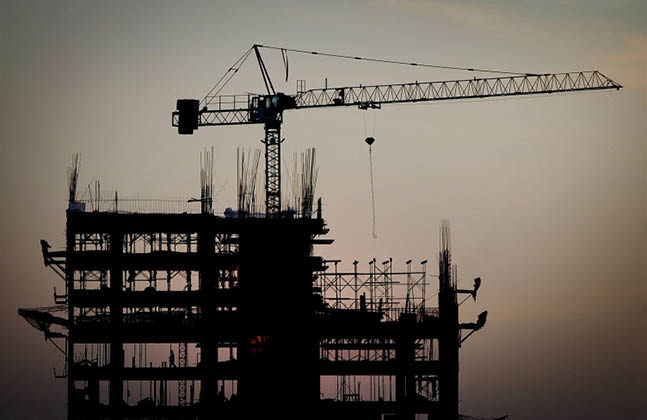
This blog explores how India can transition to low-carbon buildings by integrating locally sourced materials, low carbon construction techniques, policy reforms, and community-led initiatives to create sustainable, climate-resilient built spaces.
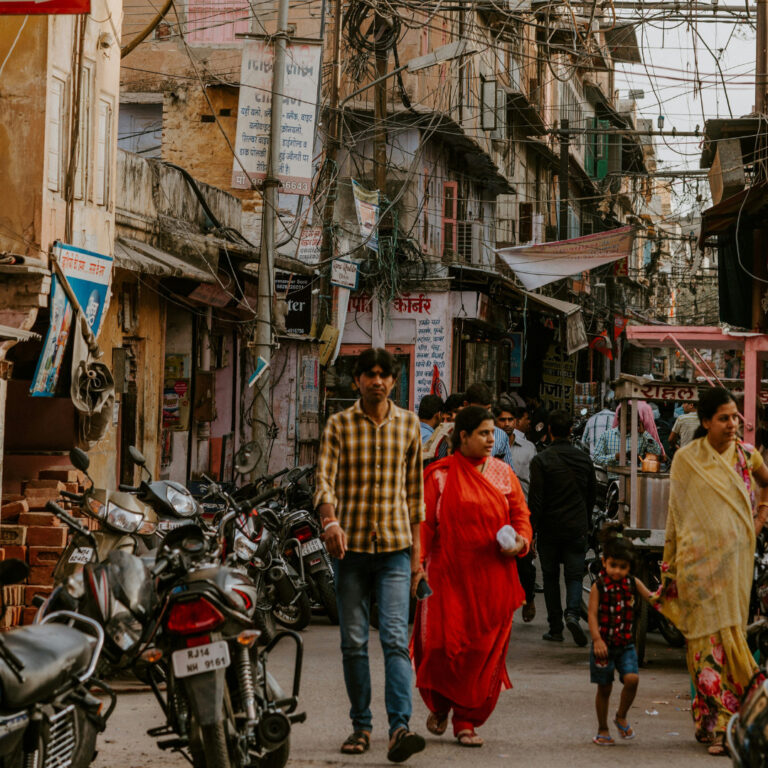
This piece highlights the importance of centering health as the motivator for low-carbon lifestyles.
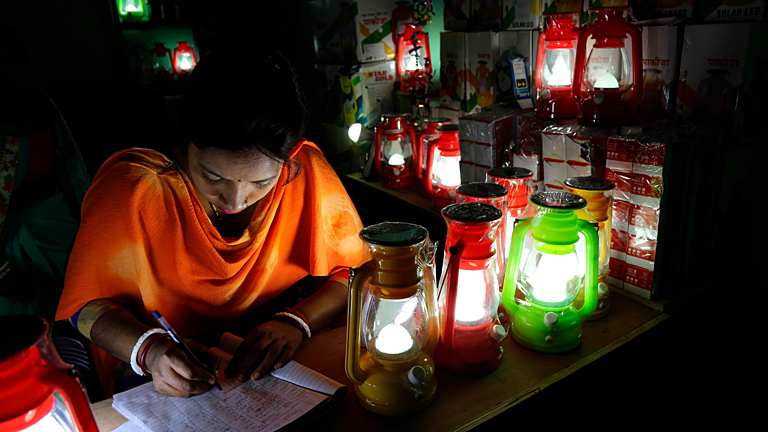
Despite near universal access to electricity, gendered inequities in electricity usage hinder India’s progress on sustainable development goals. As energy policy focuses on renewable energy, socio-cultural shifts must also be prioritised to improve women’s agency over electricity use.
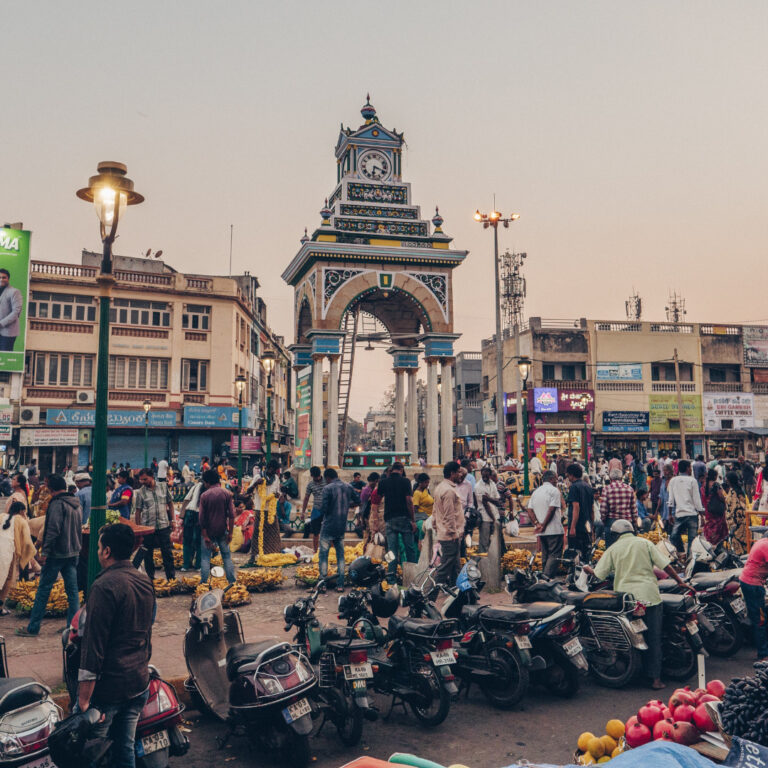
Instead of envisioning “world-class” futures for India’s cities, we need a new imagination for equitable, climate resilient and low carbon urbanisation.

Our recent Talking About Transitions Dialogue, Building a Net Zero Society, unpacked the importance of social transformations to achieve a low carbon transitions in Indian cities. How can we leverage behaviour change, equitable urban planning and innovative planning approaches to create an equitable net zero future?
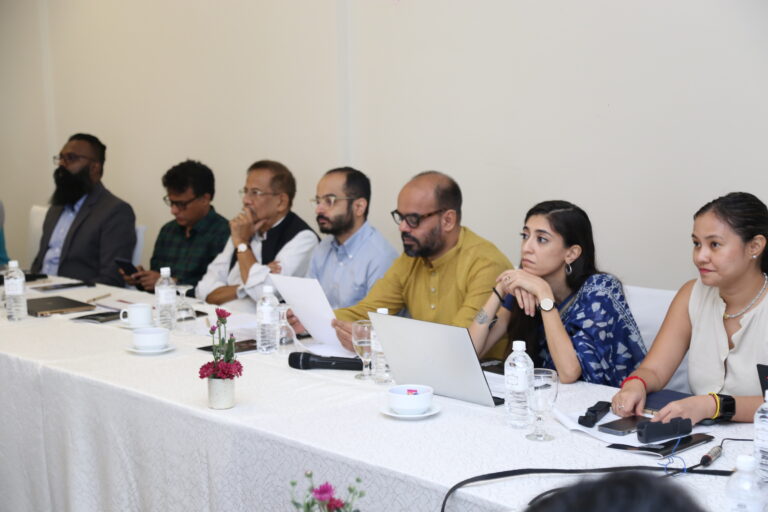
Nature in South Asian cities is highly contested: cities must incorporate community visions, indigenous knowledge and local uses of nature in cities to achieve climate and development goals.
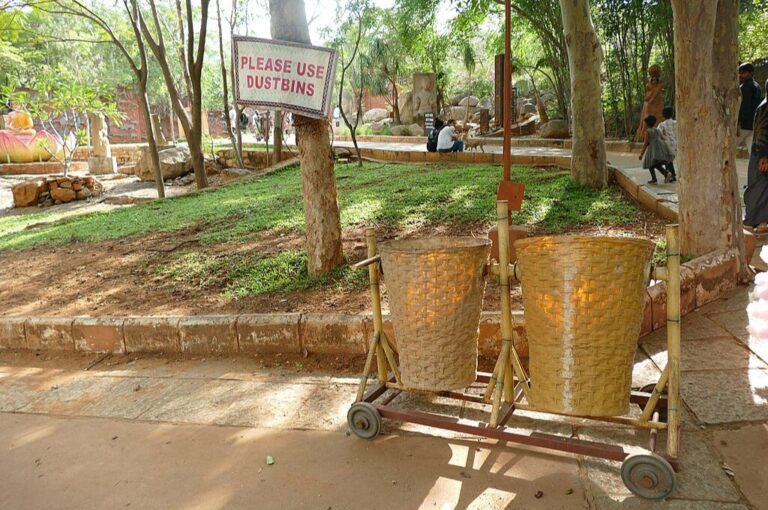
Policymakers must recognise behavior change as an important tool to inform climate policies and communication, and enable individual climate action.
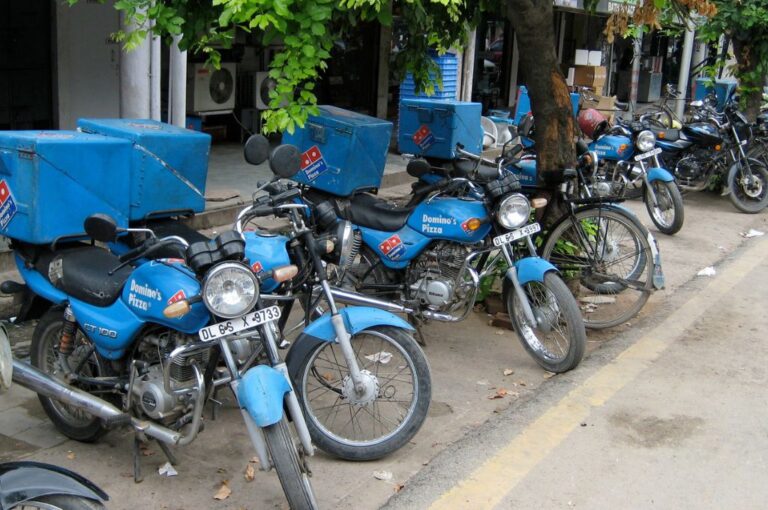
Platform companies, governments, and regulatory bodies must work together to effectively address heat stress for vulnerable communities like delivery workers in Indian cities.

Why are Urban Living Labs emerging as an approach to enable climate action? This blog highlights insights and knowledge that emerged from our dialogue on Urban Living Labs in 2022.

Transitions Research and Forum for the Future organised a workshop at the Global Gobeshona Conference in March 2022 to explore how scenarios of different climate adaptation strategies could transpire.